






How to Remove an Airlock in a Water Pump - Practical Guide
Dealing with airlocks in your water pump system can be a real hassle. This guide explains what a pump airlock is, why it happens, and several straightforward techniques to remove it so you can restore flow and efficiency.
What Is a Pump Air Lock?
A pump airlock happens when air gets trapped in the pump or pipes, blocking the flow of liquid. It's similar to a kink in a hose, where the trapped air stops the liquid from moving properly. This can greatly reduce or stop the flow rate because pumps can't move air as efficiently as liquids due to air's lower density.
Why Does a Pump Air Lock Occur?
There are lots of reasons why airlocks occur in pump systems, which you should be aware of to prevent operational issues. Below are some common causes and their implications.
1. Insufficient Pump Pressure
When a pump can't generate enough force to overcome resistance in the piping network, air pockets can form and block liquid flow. This issue is common in systems with long or complex piping, where liquid must travel long distances or navigate many bends and valves.
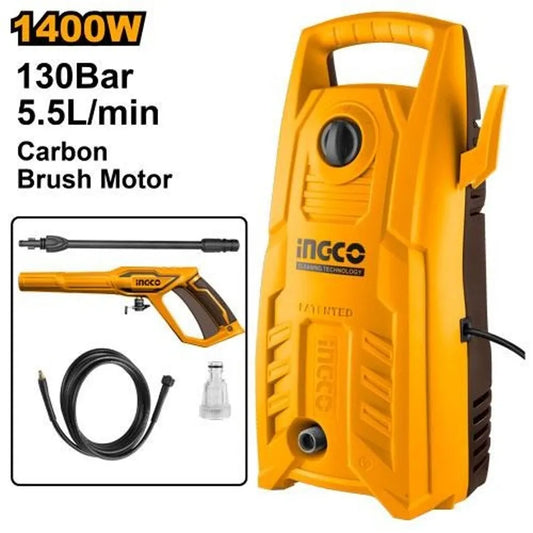
Tip: When selecting a water tank or pump, make sure it fits your specific application and provides adequate pressure. Brands like INGCO offer a wide range of pumps (standard, submersible, sewage, fountain, deep well) with high-pressure capabilities to reduce airlock risk.

2. Leaks in Suction Pipeline
Even small breaches can let air enter the system, forming pockets that disrupt pump operation. Leaks undermine the necessary vacuum for efficient pumping, as air mixes with the liquid, creating a less dense fluid that the pump struggles to move. This reduces pump efficiency and can lead to cavitation and equipment damage.
3. Low Tank Levels
When the fluid level in the tank drops too low, the pump intake may become exposed to air, disrupting priming. This is common in systems with fluctuating demand or inadequate supply. Low fluid levels can also cause vortexing, where air is drawn into the intake with the liquid, worsening the airlock problem.
4. Thread Socket is Loose
Small gaps from a loose thread socket allow air to enter the system, creating pockets that disrupt flow. Although it may seem minor, over time this reduces efficiency and can eventually lead to an airlock. Regularly check and tighten thread sockets to prevent this.
How Do I Remove an Air Lock in a Pump?
Now that you know some common causes, here are several methods to remove air from a water pump and restore normal operation.
Replace the Hose
If you see persistent air bubbles, reduced water flow, or visible hose damage, replace the hose. Steps:
- Turn off the pump and relieve pressure.
- Remove the old hoses carefully (protect fittings).
- Fit new hoses of the same diameter and length.
- Prime the pump by filling it with water to expel trapped air, reconnect, and test flow.
Make Sure the Suction Hose Is Properly Installed
Ensure the suction hose is fully submerged and correctly connected. Check for leaks or loose fittings that could allow air in. Once installed correctly and primed, run the pump to expel any remaining air.
Check and Correct the Position of the Threaded Socket
Inspect the threaded socket for misalignment or looseness. Tighten or adjust as necessary to eliminate gaps where air could seep into the system.
Lower the Pump Installation Height
If the pump is positioned too high relative to the water source, it may struggle to create sufficient suction. Reduce the height difference between the pump and source to improve suction ability and reduce airlock risk.
Fill Slowly
Fill the system slowly using a fill valve. Opening the valve slightly allows trapped air to escape gradually listen for gurgling sounds which indicate air release. Continue until everything is primed with water.
Clean the Valve
Debris and sediment in valves can trap air. Turn off the pump, disassemble and clean valves with a brush and water, then reassemble and test.
Conclusion
Airlocks in water pumps are frustrating but usually straightforward to fix. Understanding the causes and following the methods above will help you remove airlocks and keep your pump operating efficiently. If the problem persists, contact a professional service technician.