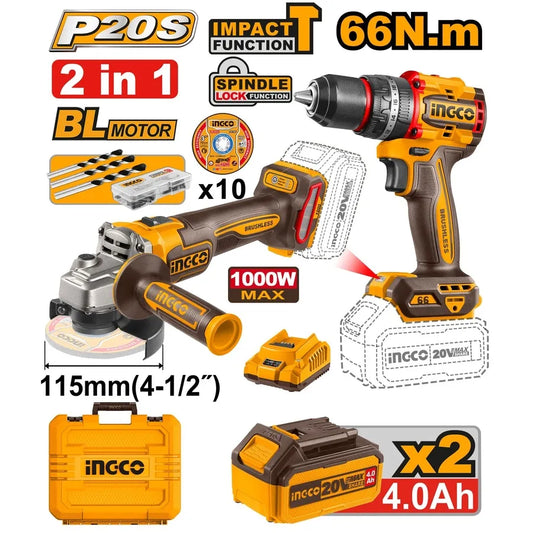
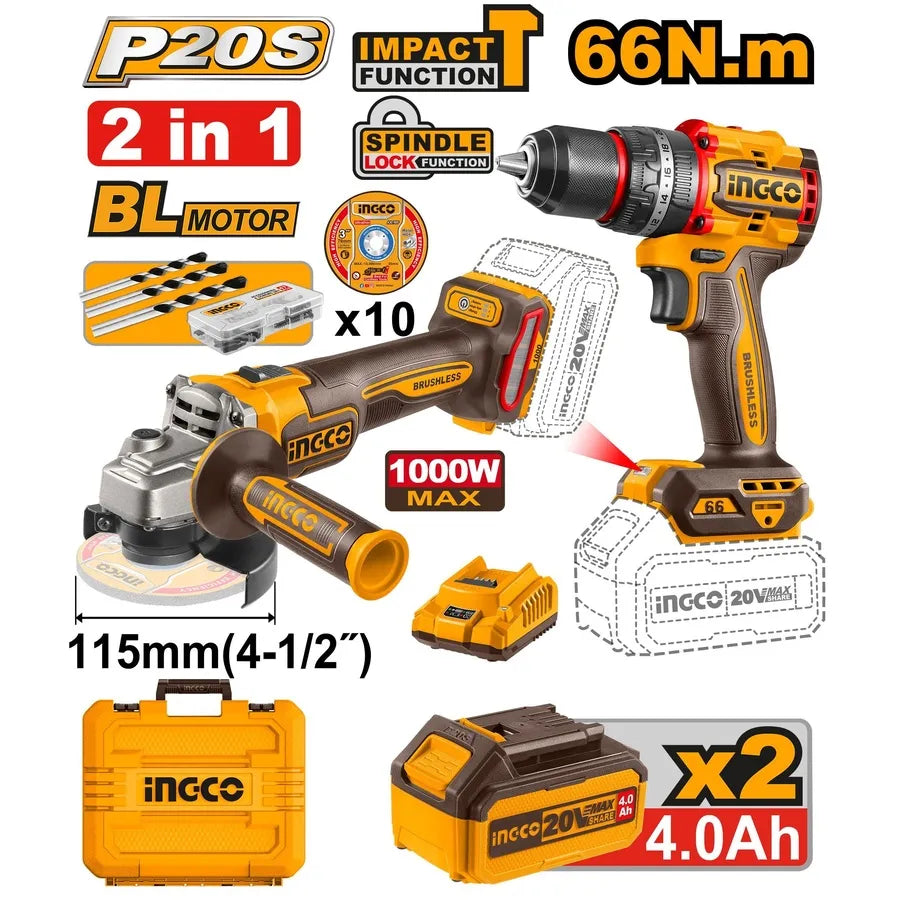

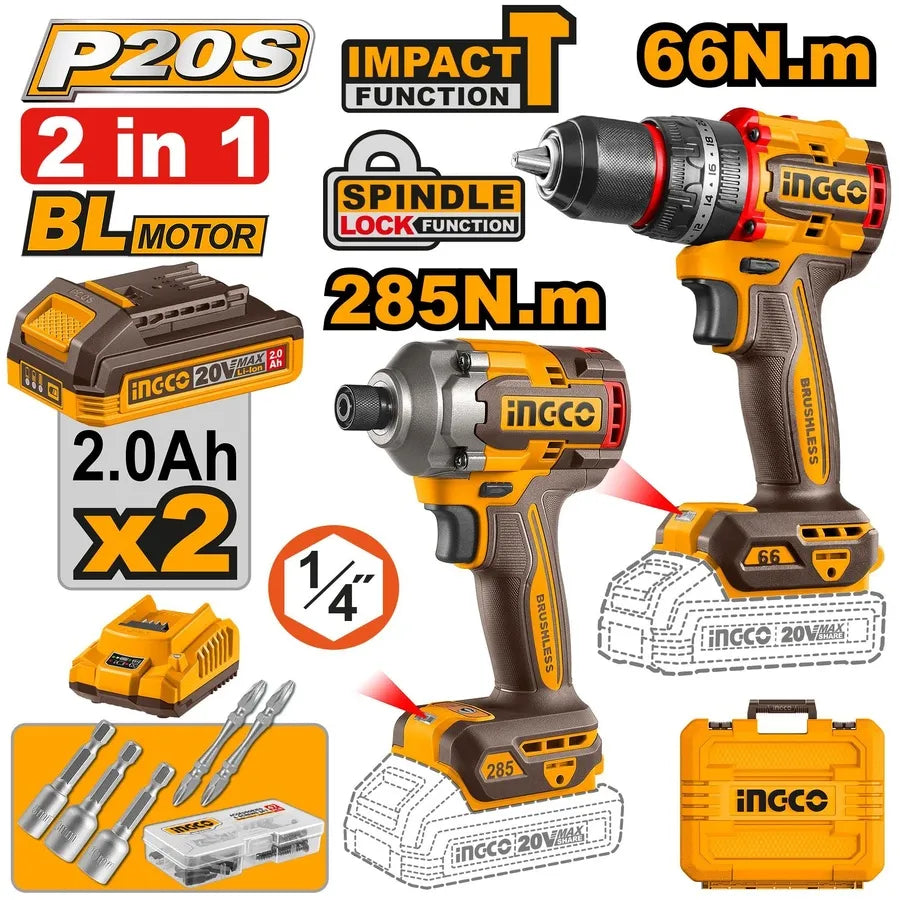

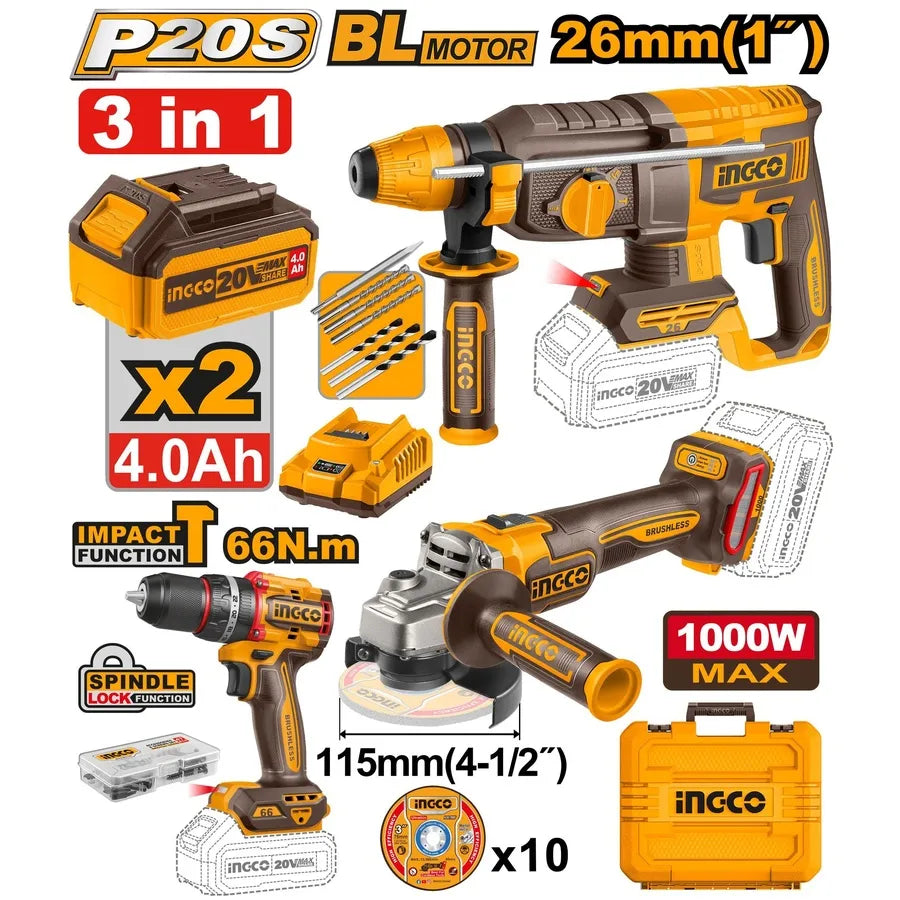




When it comes to rechargeable power tools, how you use and store them can have a significant impact on battery life. Whether you use power tools daily or only occasionally, knowing how to properly store and maintain the battery is the key factor in keeping it working efficiently for a longer period. Here are 5 essential tips to help extend the life of power tool batteries.
1. Use the Right Charger
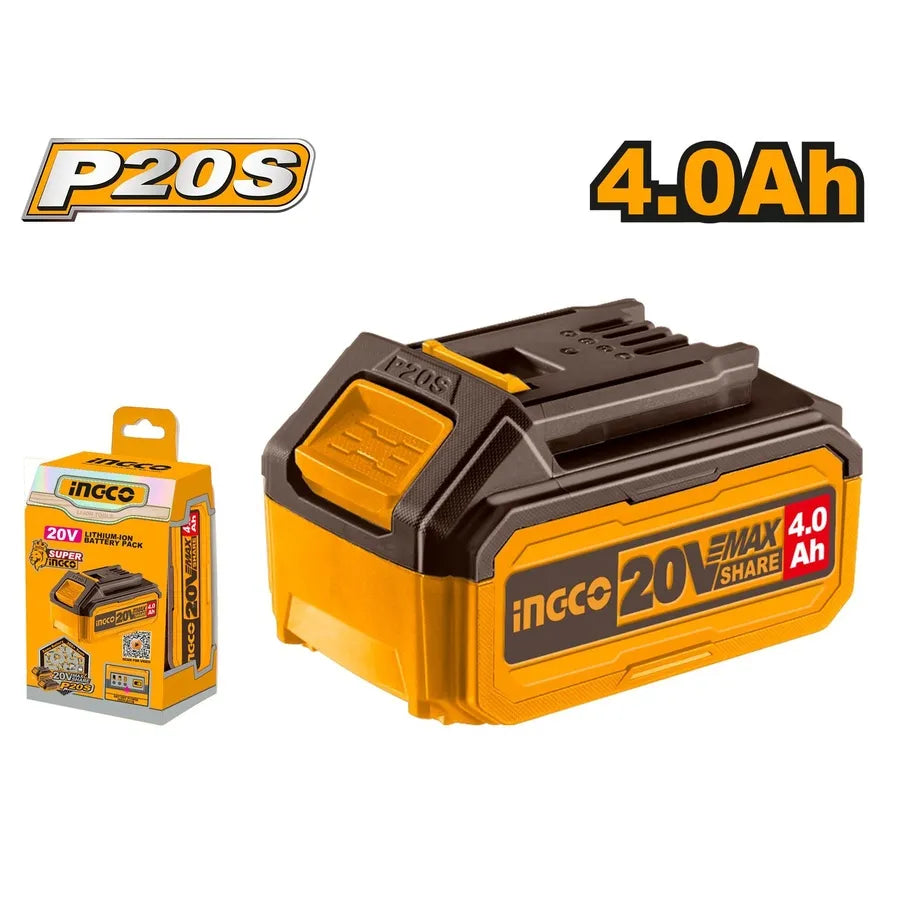
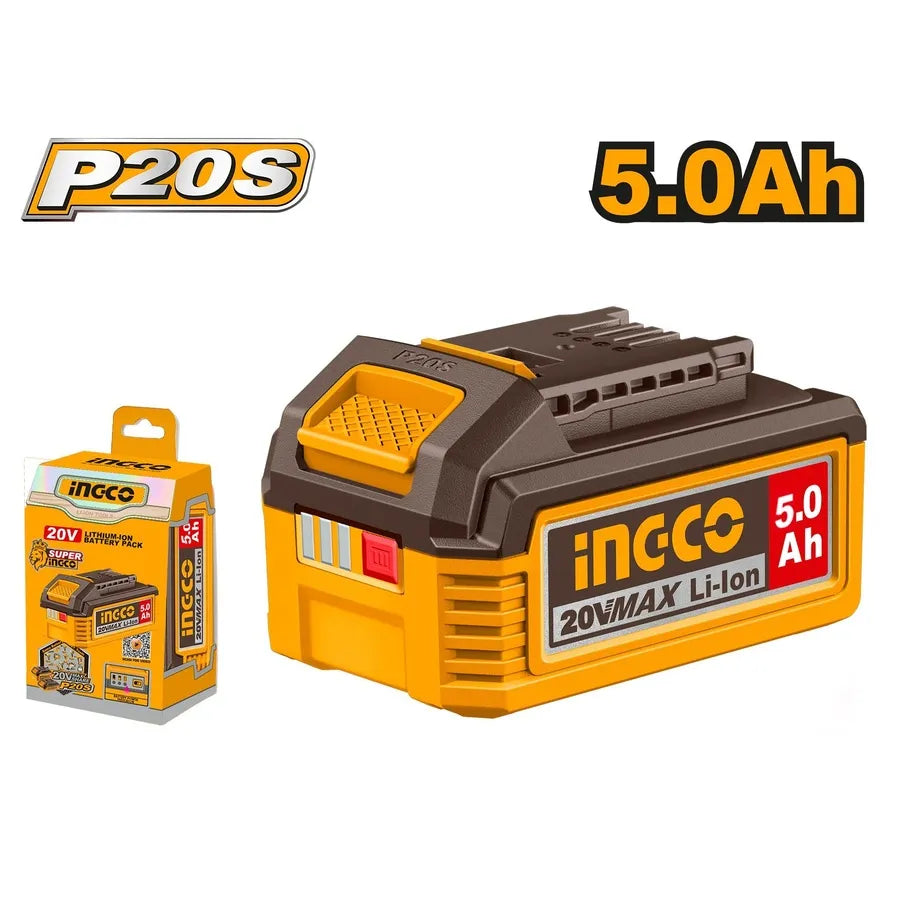
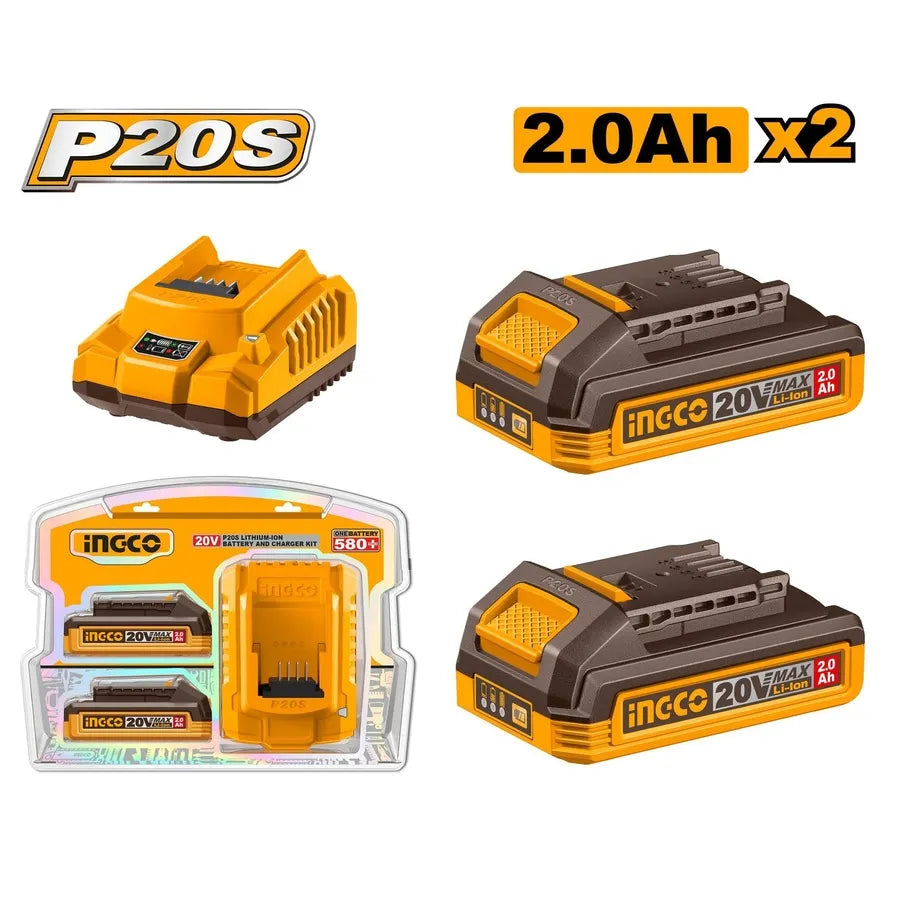
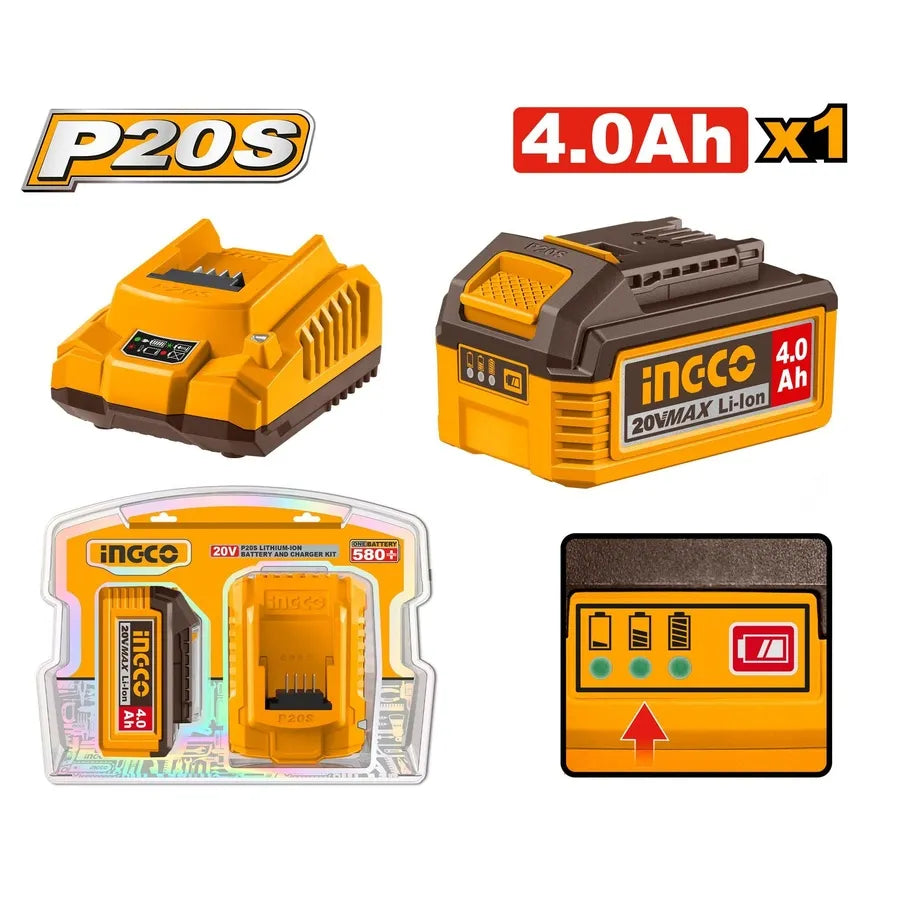
Choosing a battery with a lower capacity such as a 2Ah or 4Ah battery for a high-power tool often requires frequent recharging and can reduce battery lifespan. Always choose the appropriate charger and charging mode based on your usage and required runtime.
According to the Power Tool Institute, original manufacturer batteries such as those used in INGCO Tools feature innovative technology that monitors battery health, cell balance, temperature, and other critical functions designed to help tools last longer.
INGCO batteries, chargers, and power tools are specifically designed to work together as a complete system.
Because each manufacturer uses unique circuit designs, aftermarket or generic batteries may not include the same safety features or undergo the same testing and quality control as INGCO batteries. This can lead to damage, fire hazards, or personal injury. Additionally, it is often difficult to visually distinguish between original and aftermarket batteries, so purchasing from authorized dealers is strongly recommended.
2. Avoid Extreme Temperatures
When using or storing lithium-ion batteries, try to avoid extremely high or low temperatures. Temperatures exceeding 75°C can cause permanent battery damage. While this temperature may seem unusually high, it can be reached quickly due to factors such as direct sunlight exposure or leaving the battery inside a car.
According to research conducted by the University of Michigan,
“High temperatures can accelerate the degradation of all battery components and lead to serious hazards, including fire or explosion.”
Experts recommend storing batteries in environments with moderate temperatures whenever possible. The ideal storage temperature range is approximately 15°C to 50°C.
3. Store Batteries Properly
Storing power tools in humid environments can lead to corrosion or electrical component issues. Tools should be stored in a case or cabinet to prevent dust and debris from entering ventilation openings when not in use.
Using a toolbox or battery holder can also help protect your tools and extend battery life. Power tools should always be stored in a cool, dry place, and keeping batteries close to the recommended temperature range helps improve runtime and charging efficiency.
4. Use Power Tools Regularly
Batteries have a limited lifespan and degrade when they are not used or recharged periodically. If a battery is not used immediately after charging, it will gradually lose its charge. Some battery technologies have higher self-discharge rates than others.
For example, if certain battery types are stored outdoors, they may naturally lose most of their capacity within the first three days.
However, INGCO lithium-ion batteries have extremely low self-discharge rates when not in use. Once a battery becomes damaged, it often requires more frequent recharging, which generates additional heat and can further damage the battery. Keeping a spare battery ensures that you always have a fully charged backup available.
5. Protect Batteries from Liquids and Metal Objects
Avoiding moisture may seem easy, but job sites and workshops are exposed to varying weather conditions, making it challenging at times. Some battery packs are designed to help divert water away from internal electronic components.
It is important to store power tool batteries in a location where they are not exposed to water, liquids, or contact with metal objects such as keys, coins, screws, or nails, which can pose serious safety risks.
Frequently Asked Questions
Q: Can I leave the battery on the charger?
A: In most cases, the answer is no. Leaving a battery on the charger makes it difficult to ensure battery safety and can accelerate self-discharge. It is best to disconnect the battery after charging and store it according to the manufacturer’s guidelines.
Q: Can the life of an old or dead battery be restored?
A: While most modern power tools now use lithium-ion (Li-ion) batteries due to their longer runtime such as those used in INGCO, some older tools may still use AA, AAA, 9V, NiCad, or NiMH batteries.
NiCad and NiMH batteries can fail due to two main reasons: memory effect and crystal formation. Running a full charge-discharge cycle may help restore memory effect in older power tools.
Steps to Recondition Old NiCad or NiMH Batteries:
- Fully charge the battery.
- Use the tool normally until it completely loses power.
- Place the battery back on the charger to allow a full recharge of each cell.
Only perform these steps when attempting to restore a battery that is not functioning properly. Consult your user manual for specific battery maintenance instructions. If there is no improvement in runtime, the battery may be permanently damaged and should be replaced.
Q: How long does a lithium-ion battery last before replacement?
A: Cordless power tool batteries using lithium-ion technology such as those in INGCO typically have a cycle life of 300 to 500 charge cycles, which equates to approximately 2–3 years.
Cycle life refers to how many times a battery can be charged before it begins to lose its ability to hold a charge. In general, a Li-ion battery can be charged at least 300 times before replacement becomes necessary.
However, the actual number of charge cycles depends on several factors, including battery design, capacity, and storage conditions.